Quibi calls it quits – Brand Journalist, Geoff Chang, looks at where it all went wrong and what we can learn
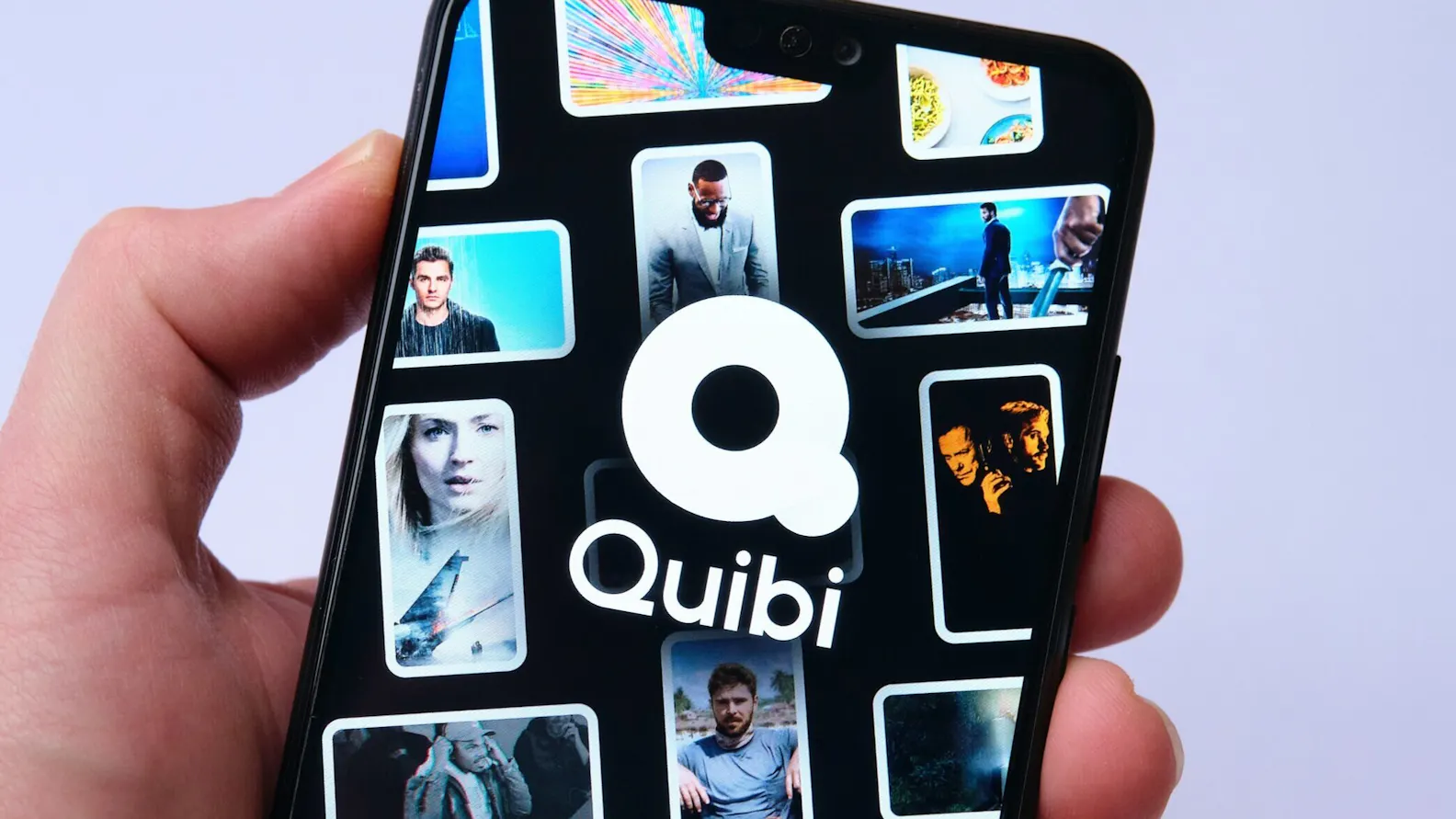
It’s the most significant failure since streaming overtook big screening. Quibi – the short-form, mobile streaming platform – has announced it’s to cease operations, barely six months after it first launched. In the world of marketing, this is big news.
After raising a mighty $1.75 billion in funding from Hollywood and Silicon Valley’s elite, marketers and curious on-lookers will have questions about where it all went wrong for the much-hyped start-up.
Short-lived promise
Quibi was founded by two heavyweight moguls, former Disney CEO Jeffrey Katzenberg and former Hewlett Packard CEO, Meg Whitman. A portmanteau of ‘quick bites’, its name does raise a few confused eyebrows, managing to look like a typo as well as a poorly transliterated Chinese brand like Weibo or Douyin (aka TikTok to you and me).
Dodgy nomenclature aside, the KatWhit duo looked to be onto a guaranteed winner, attracting A-listers like Steven Spielberg, Ridley Scott, Reese Witherspoon and Jennifer Lopez for the show business, while drumming up support from Wall Street, Silicon Valley and beyond for the money business.
When Quibi launched in April, there were 50 ‘movie-quality’ shows exclusive to the platform. But was this wealth of chopped-up, big-budget, Hollywood entertainment a case of misplaced fortune?
Despite spending $63 million across TV, digital and print advertising, as well as offering a 90-day free trial, Quibi quickly fell out of the Top 50 apps on the app store and failed to reach ambitious viewer targets. According to an analytics report, just 8% of those who signed up for the free trial converted to paying subscribers.
Then, two weeks ago, the founders sounded the death knell: “Quibi is not succeeding,” they solemnly declared in an open letter to employees, investors and partners.
What can we learn Quibi’s demise?
To many, the shutdown is not a shock. Timing is, of course, important. For a start-up whose very proposition was short-form, mobile-first content for commuters, the writing was on the wall after lockdown triggered the seismic shift to the now-familiar WFH norm. Those in-between, on-the-go intervals that Quibi was designed to fill evaporated overnight. Plus, some of the content was questionable.
"Losing my fucking MIND at this Quibi show where actual Emmy winner Rachel Brosnahan plays a woman obsessed with her golden arm pic.twitter.com/rSfqCv75SG"
— Zach Raffio (@zachraffio) April 15, 2020
Sure, I can watch a six-minute episode on the toilet, or while cooking up my HelloFresh dinner, but Quibi was simply not made for quarantine. Why would I hold my phone up and watch on a small screen at home, when the Netflix button on my TV is right there? Suddenly we had all the time in the world. Small time-frames became 24/7 windows. Ideal for full-length bingeing; short snippets not so much. Cue Netflix, Disney+, Amazon Prime and iPlayer for us proud Brits.
At the same time, TikTok was exploding. And… TikTok is free. Unsurprisingly, Quibi – at $4.99 a month – couldn’t compete for Gen Z’s insatiable scroll for scraps of entertainment. That’s before we mention the other free and established platforms like YT, IG and FB. While TikTok was building fame for its dynamic, shareable creativity, Quibi looked more like an expensive experiment conceived by out-of-touch boomers. Generations, apart.
A cautionary tale
It’s easy to point the finger at the pandemic. But in a post-Quibi world, with the power of hindsight, perhaps the founders may reflect on a niche that never existed, born from assumptions that were never tested.
Its biggest flaw was to fundamentally misunderstand the way people want to consume content and why they would pay for it. A reminder of the importance of truly understanding audience needs, not just assuming them. Put the audience first, always.
‘Getting lost in great stories’ as Vue would put it, is best saved for bigger screens – not while getting out-muscled in tube carriages. For cheap thrills of 10 mins and under, there’s TikTok et al. And for the slow burn, we can get deep with podcasts or a good old-fashioned film. (Remember those?)
At a time when cinema is falling down the entertainment pecking order, you can’t fault the entrepreneurial ambition to pioneer ‘NewTV’ and chance upon the next big storytelling medium. Quibi’s creators did a great job of talking the talk. But for all their big-dog influence, unfortunately for them the people just didn’t bite.